
Melbourne Weather in October 2026: Travel Guide
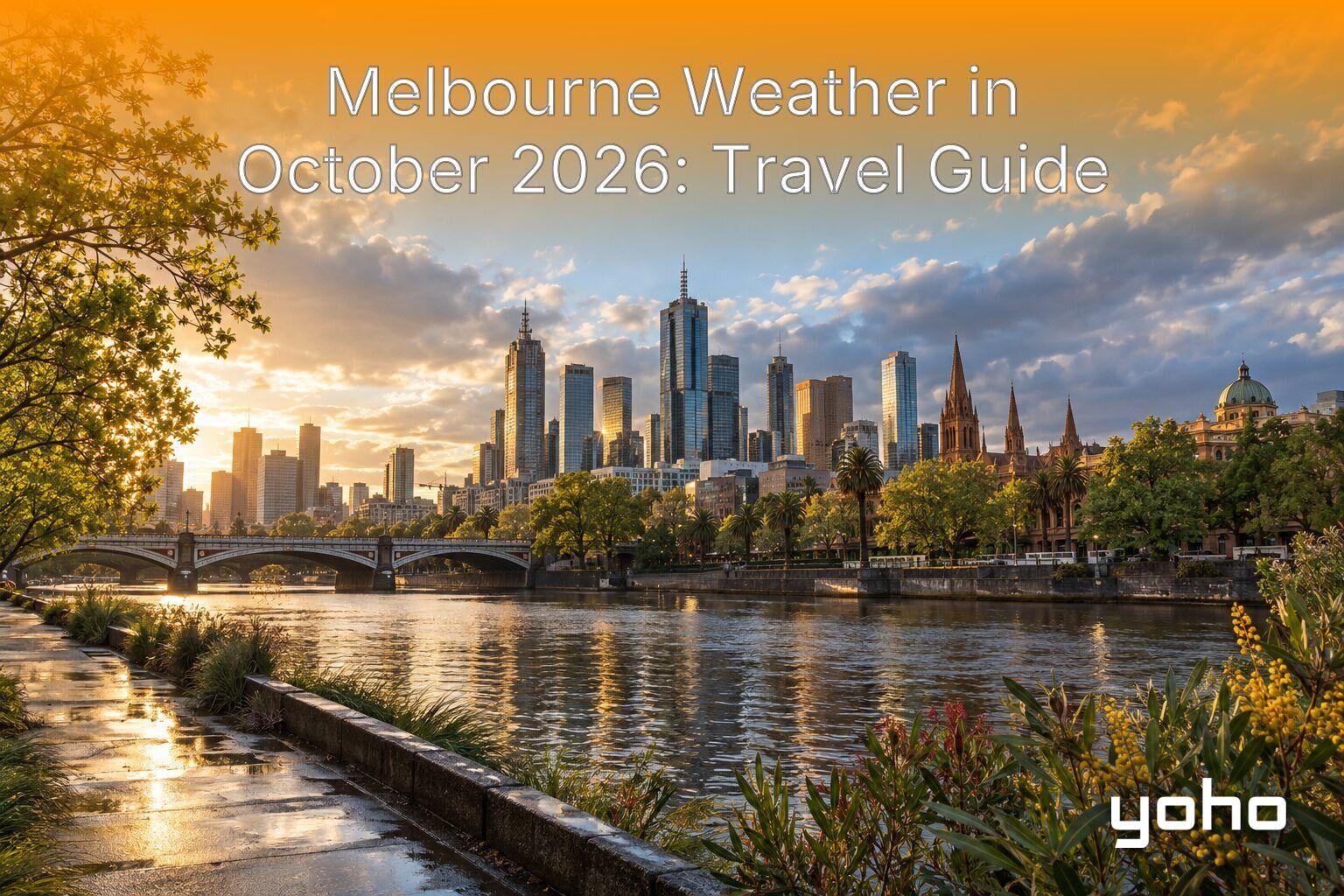
October 2026 falls in Melbourne’s changeable spring, so you need to prepare for cool mornings, mild afternoons, wind, sunshine, and passing showers within the same trip. Relying on a single temperature estimate can leave you uncomfortable on an exposed coastal walk, carrying unnecessary clothing through the city, or rearranging an outdoor booking at short notice. This guide gives you realistic planning ranges, week-by-week context, packing priorities, and flexible itinerary choices for visiting Melbourne in October 2026.
What Weather Can You Expect in Melbourne in October 2026?
Melbourne in October is usually mild, changeable, and occasionally windy, with practical planning temperatures of about 10°C to 20°C (50°F to 68°F). Warmer afternoons above this range and cooler periods are both possible, while showers can interrupt otherwise bright days. Treat exact 2026 conditions as unknowable until short-range forecasts become available.
October 1 to October 31sits in the middle of southern Australia’s spring. Melbourne’s position near Port Phillip Bay and the Southern Ocean contributes to fast-moving weather changes, which is why a sunny breakfast does not guarantee a dry or warm afternoon. The city’s familiar “four seasons in one day” description is an exaggeration, but it reflects a genuine need to carry layers.
| Planning factor | Typical October expectation | What it means for your trip |
|---|---|---|
| Daytime temperature | Approximately 17°C–21°C (63°F–70°F) | Comfortable for walking with a removable outer layer |
| Early morning and night | Approximately 8°C–12°C (46°F–54°F) | A sweater or light jacket remains useful |
| Daylight | Roughly 12.5–14 hours | Longer afternoons support parks, markets, and coastal outings |
| Rain pattern | Intermittent showers and occasional wetter systems | Keep outdoor bookings flexible where possible |
| Crowd level | Moderate | Busier than winter, generally below peak summer pressure |
These figures are climate-based planning ranges, not a day-specific prediction. A forecast claiming to describe the exact weather weeks or months ahead cannot reliably tell you whether rain will reach Federation Square at 3 p.m. Use broad patterns to pack, then use a short-range forecast to decide each day’s schedule.
How Does Melbourne’s Weather Change Through October?
Early October commonly feels cooler and more exposed, while late October offers a greater chance of mild or warm afternoons and longer daylight. The progression is not smooth: a cold front can make a late-month day colder than one in the first week. Use weekly ranges for planning, not as guaranteed forecasts.
What Is Early October Usually Like?
October 1 to October 10generally carries the strongest early-spring character. Plan around mornings near 9°C–11°C (48°F–52°F), afternoons around 17°C–19°C (63°F–66°F), and moderate crowds. Breezes can make exposed places such as St Kilda Pier, Brighton Beach, and riverside paths feel colder than the thermometer suggests.
This period suits galleries, cafés, gardens, and city walks because you can alternate between indoor and outdoor stops. A light rain shell is more useful than a thick winter coat. Daylight becomes more generous, and the seasonal clock change in early October shifts usable light further into the evening.
What Conditions Are Likely in Mid-October?
October 11 to October 20tends to bring a balanced spring pattern, with planning temperatures around 10°C–20°C (50°F–68°F). You may experience a clear morning, a warmer lunchtime, then cloud, wind, or showers later. Crowd levels remain moderate, with weekends noticeably busier in gardens, shopping districts, and coastal suburbs.
Does Late October Feel Warmer?
October 21 to October 31has a higher chance of afternoons reaching the low 20s Celsius, though cool changes remain possible. Daylight approaches roughly 14 hours, giving you more room for an evening walk after a museum or market visit. Prices can begin edging toward the busier late-spring and summer period, especially around major sporting or cultural dates.
Use theAustralian Bureau of Meteorology weather and climate serviceto check official observations, warnings, and forecasts as your travel dates approach. Review the hourly forecast rather than looking only at the daily maximum.
How Should You Structure a Day Around the Weather?
Build each Melbourne day around one weather-sensitive activity and one indoor alternative. Put exposed coastal walks, gardens, viewpoints, and river trips in the clearest forecast window, then use museums, arcades, markets, and cafés when showers or stronger wind arrive. Avoid locking an entire day into outdoor activities.
A practical October morning begins with the hourly forecast. If the morning is clear and calm, use it for the Royal Botanic Gardens, the Capital City Trail, an outdoor laneway walk, or a trip to Brighton Beach. Temperatures may rise quickly once the sun appears, so wear layers you can place in a day bag.
Keep the middle of the day flexible. Melbourne’s central grid makes it easy to move between outdoor streets and sheltered attractions. The National Gallery of Victoria, Melbourne Museum, State Library Victoria, covered shopping arcades, and Queen Victoria Market can anchor a mixed-weather schedule. Check individual opening hours before relying on any venue as your backup.
Evenings are often cool enough for a jacket, particularly beside the Yarra River or Port Phillip Bay. If you are attending a performance, match, or dinner, avoid dressing only for the afternoon maximum. The temperature at 9 p.m. may feel very different from the temperature when you left your accommodation.
What Is the Most Useful Flexible Itinerary Pattern?
- Clear and calm:gardens, waterfront cycling, rooftop views, or a coastal suburb.
- Cloudy but dry:neighbourhood walks, markets, street art, and photography.
- Showery:alternate a museum or gallery with short covered city walks.
- Wet and windy:prioritise indoor attractions and postpone exposed coastal plans.
- Unexpectedly warm:add water, sun protection, and a shaded lunch stop.
This approach protects the parts of your itinerary that depend most on visibility and comfort. It also prevents a brief shower from consuming a full day that could still include several worthwhile stops.
Which Day Trips Work Best in October?
October works well for the Great Ocean Road, Yarra Valley, Dandenong Ranges, Mornington Peninsula, and Phillip Island, but each trip responds differently to wind, rain, and visibility. Choose coastal routes for stable forecasts, forest and food-focused trips for mixed conditions, and keep long scenic drives adjustable until several days before departure.
The Great Ocean Road is visually rewarding in spring, with green landscapes and active waterfalls, but it is also highly exposed. Wind, low cloud, and rain can reduce visibility at coastal lookouts. If this is a priority, reserve a cancellable or changeable option and place it on the clearest day of your stay. Carry a waterproof outer layer even when Melbourne itself is dry.
The Yarra Valley is a more forgiving choice in mixed weather because tastings, restaurants, and galleries provide shelter. Vineyard scenery is still part of the experience, but the trip does not depend entirely on clear coastal views. Confirm transport in advance if you plan to drink, since wineries are spread across the region.
The Dandenong Ranges can feel cooler and damper than central Melbourne. Mist may limit distant views, yet it can suit forest walks if tracks remain safe and you have water-resistant footwear. Mornington Peninsula combines beaches, villages, and food stops, giving you indoor alternatives if coastal conditions deteriorate.
Phillip Island requires the most attention to evening comfort. Wildlife viewing often involves sitting or standing outside after sunset, when wind can lower the apparent temperature. Bring an extra warm layer, even if the city reached 20°C (68°F) that afternoon.
For any regional drive, avoid treating Melbourne’s city forecast as a forecast for the whole route. Check each destination separately on the day of departure, including warnings, wind, and rainfall. Distances can also take longer than they appear once scenic stops and traffic are included.
What Should You Pack and Arrange Before Departure?
Pack light layers, a weather-resistant jacket, comfortable walking shoes, a compact umbrella, sunglasses, and sun protection for Melbourne in October. You should also arrange mobile data before departure so you can check hourly forecasts, transport changes, maps, and booking messages while moving between the city, coast, and regional Victoria.
Your most useful clothing system is a breathable base layer, a sweater or fleece, and a lightweight windproof or waterproof shell. This combination handles cool mornings without becoming too bulky during a mild afternoon. A heavy winter coat is usually unnecessary for central Melbourne, though a warmer mid-layer helps with evening sports, coastal trips, and wildlife tours.
- A light waterproof jacket with a hood
- One warm sweater, fleece, or cardigan
- Short-sleeved and long-sleeved tops
- Comfortable water-resistant walking shoes
- A compact umbrella that fits inside your day bag
- Sunglasses, sunscreen, and a reusable water bottle
- A small bag for carrying removed layers
- A travel adapter compatible with Australian Type I sockets
If you want a broader system for reducing luggage without losing weather flexibility, use thissmart packing and airport preparation guide. Avoid packing only summer clothing because October sunshine can look warmer through a hotel window than it feels beside the bay.
Weather-dependent planning also makes reliable access to forecasts and transport information useful. AneSIMis a digital SIM profile built into a compatible device, while a physical SIM is a removable card. If the format is unfamiliar, thisguide to what an eSIM card isexplains the basic technology before you travel.
If you need maps, booking updates, and messaging across a specific number of days, Yoho Mobile lets you choose Australia, your preferred data allowance, and your usage duration independently rather than forcing your trip into a fixed plan. You can review a flexibleAustralia eSIM plan, then manage it through theYoho Mobile app for iOSor theYoho Mobile app for Android.
First-time users can pair thefree eSIM trialwith information aboutYoho Carebefore deciding what suits the trip.
Check that your phone appears on theeSIM-compatible device listbefore purchasing. Older or carrier-locked devices may not support the technology, in which case a physical SIM or an appropriate roaming arrangement may be necessary. For budgeting, reviewinghow much mobile data Google Maps usescan help you choose a realistic allowance.
When Should You Book Flights, Accommodation, and Activities?
Book October 2026 flights and central Melbourne accommodation several months ahead if your dates overlap school holidays, a major match, a concert, or a large cultural event. Reserve high-priority restaurants and limited-capacity tours two to six weeks ahead, but favour flexible conditions for outdoor activities affected by rain, wind, or visibility.
October is not Melbourne’s highest summer peak, yet prices and availability do not remain uniform through the month. Weekends can tighten quickly around sporting fixtures, touring performances, conferences, and spring events. Check the city calendar for your exact dates rather than assuming all October weeks carry the same demand.
For a standard city break, accommodation in the central business district, Southbank, Docklands, Carlton, or Fitzroy gives you access to transport and indoor alternatives during poor weather. Staying close to tram or train routes reduces the time you spend walking in rain. It also makes midday clothing changes easier if your accommodation is centrally located.
Book weather-independent essentials early and leave weather-dependent details adjustable. A museum ticket, theatre performance, or popular restaurant can be fixed. A coastal tour, garden visit, rooftop reservation, or scenic drive benefits from a changeable booking when available. Read cancellation terms carefully because “flexible” can still involve deadlines or price differences.
TheTourism Australia beginner’s planning guideprovides official context on preparing for travel around the country. International visitors should also consult the appropriate government guidance for their nationality; theUK government foreign travel advice service, for example, explains where British travelers can review current destination advice before departure.
Do not wait for an exact long-range weather prediction before reserving everything. Secure scarce bookings first, choose reasonable change terms, and make the final outdoor schedule once the seven-day forecast is available.
How Does October Compare With Other Australian Seasons?
October offers a middle ground between Melbourne’s cool winter and busy summer: days are longer, gardens are active, and crowds are usually moderate, but temperatures are less reliable than from December to February. It suits flexible sightseeing better than a trip built mainly around swimming, guaranteed warmth, or consistently clear coastal views.
| Melbourne period | Typical feel | Crowds | Relative price pressure | Best suited to |
|---|---|---|---|---|
| December to February | Warmest period, with hot spells and occasional sharp changes | High | High around holidays and events | Long evenings, beaches, festivals |
| March to May | Mild early, becoming cooler later | Moderate | Moderate | Food, city walks, autumn colour |
| June to August | Cool, with shorter days and frequent grey periods | Low to moderate | Often lower outside major events | Indoor culture and budget-focused visits |
| September to November | Changeable, gradually warming, longer daylight | Moderate | Rising toward late spring | Gardens, mixed itineraries, regional scenery |
Australia is large enough that “best time to visit Australia” has no single national answer. October can be hot in tropical northern regions, mild in Sydney, changeable in Melbourne, and cool in Tasmania or alpine areas. If your itinerary crosses several climate zones, pack for the coldest destination rather than using Melbourne as the template for the entire country.
October makes sense when Melbourne is the main destination and you enjoy active sightseeing without summer’s peak demand. February may fit better if warmth is your priority. March and April often appeal to travelers seeking milder conditions with less spring volatility. Winter can reduce some costs, but shorter daylight and colder evenings limit outdoor flexibility.
No month removes Melbourne’s potential for a sudden cool change. Seasonal timing improves the probability of the conditions you want; it cannot guarantee them. The most effective strategy is to select the season that matches your priorities and retain daily flexibility once you arrive.
Who Will Enjoy Melbourne in October Most?
October is best for first-time visitors, walkers, garden enthusiasts, food-focused travelers, and anyone comfortable changing plans around a forecast. Families can benefit from moderate temperatures and longer days, while beach-focused visitors and travelers who require predictable warmth may prefer late summer or early autumn.
Is October Good for First-Time Visitors?
Yes. Moderate conditions support a broad mix of central Melbourne sights, neighbourhood walks, markets, sporting venues, and day trips. You can experience the city without planning around persistent summer heat, though you need an indoor fallback for wetter periods.
Does October Suit Families?
Families often find spring temperatures easier than very hot summer days, especially for zoos, gardens, and walking routes. The main challenge is carrying layers for children and keeping one indoor activity ready. Check school holiday dates because family attractions and accommodation may be busier during those weeks.
Is October a Good Month for Budget Travelers?
October can be less expensive than the Christmas and January holiday peak, but it is not automatically a low-cost month. Events and weekend demand can raise room rates. Flexible travel dates, weekday stays, and accommodation near public transport usually matter more than choosing October alone.
Who Should Consider Another Month?
Choose another period if your main goal is daily beach swimming, consistently warm evenings, or a rigid schedule of outdoor photography and coastal viewpoints. Late January through March generally offers a better chance of warmth, though heat, crowds, and higher demand become stronger considerations.
October’s real advantage is variety rather than certainty. It gives you spring gardens, extended daylight, comfortable walking temperatures, and access to regional landscapes, provided you accept that one day may require sunglasses and the next may require a rain shell.
Frequently Asked Questions
Will Melbourne be warm in October 2026?
Melbourne should feel mild rather than consistently warm. Typical planning conditions range from about 10°C to 20°C (50°F to 68°F), though individual afternoons can be warmer and cold fronts can produce noticeably cooler days.
Does it rain all day in Melbourne during October?
Rain in October often arrives as passing showers or with a change in weather rather than continuing all day. A completely wet day remains possible, so carry a compact umbrella and keep one indoor activity available.
Can you visit Melbourne beaches in October?
Yes. Melbourne beaches are suitable for walks, sunsets, cafés, and cycling in October. Swimming is less predictable because Port Phillip Bay can still feel cold and coastal wind may make the air cooler than the city centre.
What shoes should you wear in Melbourne in October?
Wear comfortable, water-resistant walking shoes with good grip. They work for city pavements, parks, markets, and light rain without requiring heavy hiking boots for a standard urban visit.
How early should you check the October 2026 forecast?
Begin checking the forecast seven to ten days before arrival, then review it again 48 hours before each weather-sensitive activity. The short-range forecast is more useful than a seasonal estimate for deciding what to wear on a particular day.