
Kuala Lumpur Festivals for Travelers in 2026
Kuala Lumpur’s 2026 festival calendar can feel tricky because some of the city’s biggest celebrations follow lunar or religious calendars while others depend on venue announcements and national schedules. If you book flights before checking neighborhoods, prayer times, road closures, and rainy-season patterns, you can end up far from the action or stuck in a queue while the best procession, fireworks, or food stalls unfold elsewhere. This guide helps you match the right festival dates, districts, transport choices, booking windows, and on-the-ground etiquette so your Kuala Lumpur trip feels festive rather than frantic.
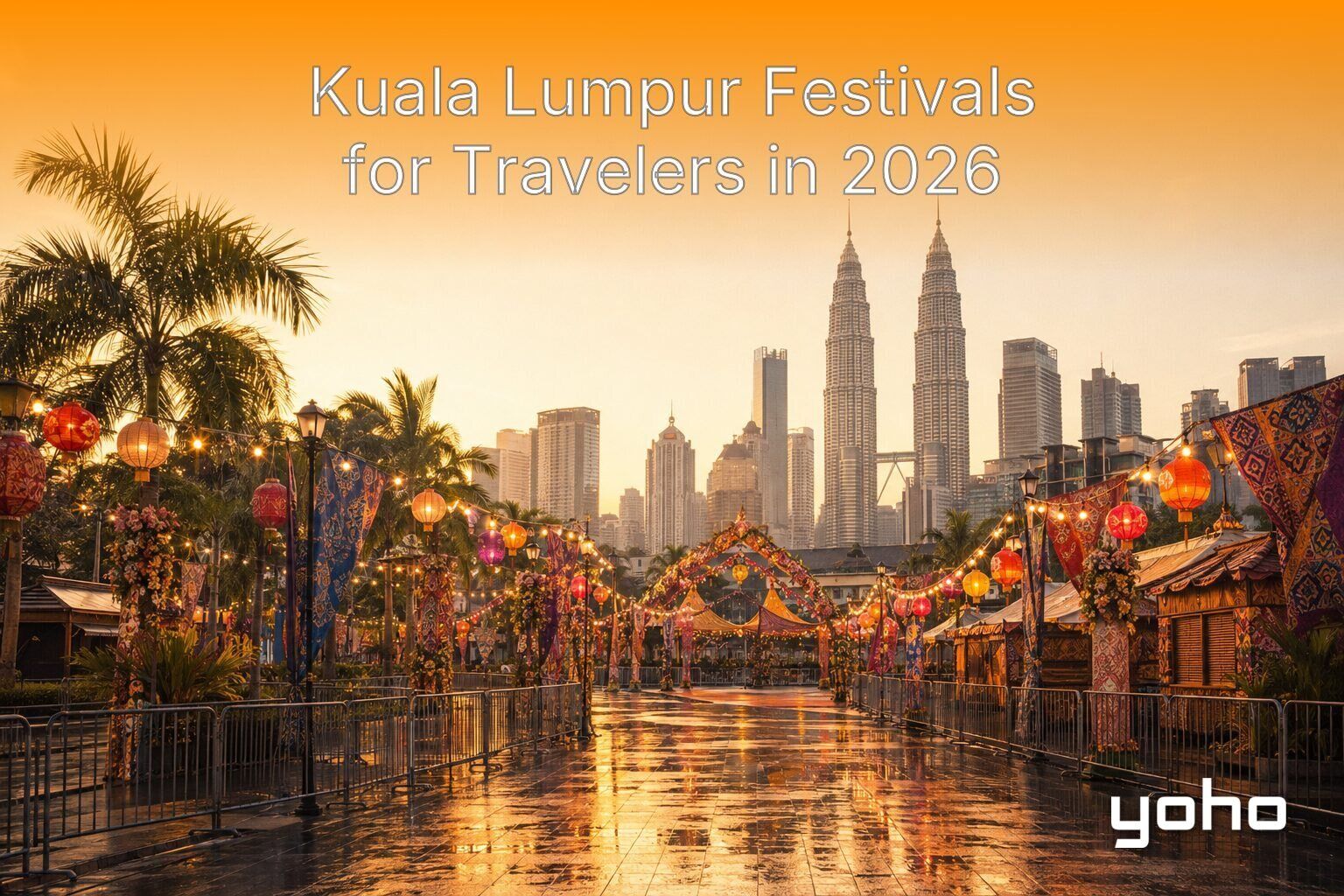
Why Are Kuala Lumpur Festivals Worth Planning a Trip Around?
Kuala Lumpur festivals are worth planning around because the city compresses Malaysia’s Malay, Chinese, Indian, Islamic, Hindu, Buddhist, and contemporary arts traditions into accessible urban spaces. You can see major rituals, parades, food markets, mall installations, and concerts without leaving the metropolitan area.
Kuala Lumpur is not a single-festival destination; it is a year-round festival city. That matters for travelers because your trip does not need to depend on one ticketed event. A February visit can bring Chinese New Year decorations and Thaipusam crowds. A Ramadan visit can turn evening food hunting into a full itinerary. Late August brings National Day energy, while Deepavali adds lamps, sweets, flowers, and temple visits to the city’s already generous sensory settings.
The strongest reason to build a trip around festivals here is proximity. In one day, you can move from a mosque-side Ramadan bazaar to a shopping-mall performance, from Brickfields flower stalls to a rooftop skyline view, or from Batu Caves to central Kuala Lumpur by rail. That range gives you a festival trip with backup options. If a procession route is packed, a market, gallery, temple area, or food district is usually nearby.
For a traveler, the key is to treat each festival as both a cultural event and a city-planning puzzle. Religious festivals may begin before sunrise or become busiest after sunset. National events can trigger road closures near parade areas. Arts events may announce lineups closer to the date than flight-booking windows. Your reward for planning well is a city that feels wonderfully switched on: incense, drums, fireworks, call to prayer, lion dances, satay smoke, jasmine garlands, and air-conditioned recovery breaks all in one itinerary.
When Do the Main Kuala Lumpur Festivals Happen in 2026?
Kuala Lumpur’s 2026 festival highlights cluster around February, March, May, August, September, and November, with several dates tied to lunar or religious calendars. Treat early published dates as planning anchors, then confirm official event details before booking paid activities or arranging transport.
Several major 2026 celebrations have calendar dates that travelers can use for early planning, while public programmes, parade routes, bazaar locations, and venue lineups may be confirmed closer to the event. For official event discovery, keep an eye onTourism Malaysia’s events listings, which publish tourism events across Malaysia and can help you separate confirmed programmes from social-media chatter.
Use the table below as a practical travel calendar, not as a final operating schedule. Religious observances can vary by official announcements, moon sighting, and local programming, so leave space in your itinerary for timing shifts.
| Festival or season | Likely 2026 timing | Best Kuala Lumpur areas for travelers | What to expect |
|---|---|---|---|
| Thaipusam | Around 1 February 2026 | Batu Caves, Jalan Ipoh approaches, rail links to Batu Caves | Large Hindu pilgrimage crowds, kavadi bearers, devotional music, early starts |
| Chinese New Year | Starts 17 February 2026 | Petaling Street, Thean Hou Temple, Bukit Bintang malls | Lanterns, lion dances, temple visits, family dining, mall performances |
| Ramadan bazaars and Hari Raya Aidilfitri | Ramadan expected from mid-February; Hari Raya around March | Kampung Baru, Masjid Jamek area, TTDI, central bazaars | Evening food markets, festive lights, family gatherings, changing opening hours |
| Wesak Day | Around late May 2026 | Buddhist Maha Vihara in Brickfields, temple districts | Buddhist processions, offerings, lamps, quieter devotional atmosphere |
| Merdeka Day | 31 August 2026 | Dataran Merdeka, city center, parade-viewing zones if confirmed | National colours, performances, parade rehearsals, road closures |
| Malaysia Day | 16 September 2026 | Public squares, malls, cultural venues | Patriotic events, cultural performances, long-weekend movement |
| Deepavali | Around 8 November 2026 | Brickfields, Jalan Masjid India, temples, Little India areas | Oil lamps, kolam designs, sweets, flower garlands, festive shopping |
Thaipusam is the most logistically intense festival for many visitors because Batu Caves can become exceptionally crowded. Chinese New Year is easier to sample casually, especially through mall performances and temple visits, but family dining patterns can make restaurant bookings more competitive. Ramadan is brilliant for food-focused travelers, since bazaars start gaining momentum before sunset and reward patience with smoky grills, bright drinks, and more kuih than any sensible person can pretend to resist.
Where Should You Stay for Festival Access in Kuala Lumpur?
Stay near rail-connected districts rather than chasing one exact festival venue. KL Sentral, Bukit Bintang, Chinatown, Masjid Jamek, and Brickfields give travelers the best balance of train access, food, hotels, and short rides to temples, markets, parade zones, and nightlife.
Your hotel location will shape your festival experience more than the star rating. Kuala Lumpur traffic can be slow during rain, rush hour, school holidays, and road closures, so the best base is usually one that lets you walk to food and reach rail quickly. KL Sentral is the practical champion: it connects airport rail, commuter routes, and city transport, making it useful for Batu Caves, Brickfields, and central districts.
Bukit Bintang suits first-time visitors who want easy food, shopping, late-night energy, and mall-based festival displays. During Chinese New Year, major malls often stage lion dances, decorations, and performances, so you can have a low-effort festive evening even if outdoor weather turns dramatic. Chinatown and Pasar Seni work well for Petaling Street, Central Market, temples, cafés, and heritage walks. The Masjid Jamek area is useful for National Day atmosphere, riverfront views, and access to older city landmarks.
Brickfields deserves special attention for Deepavali, Wesak, and Indian food. It is close to KL Sentral, so you are not trading atmosphere for convenience. During Deepavali season, flower sellers, textile shops, sweets, and decorative lights give the neighborhood a proper festive charge. For Thaipusam, staying in KL Sentral or Brickfields lets you reach Batu Caves by commuter train without depending entirely on road transport.
If you prefer quieter nights, look at hotels around Bangsar, Damansara Heights, or quieter pockets near an MRT station. You will commute a bit more, but you may sleep better after long festival days. The sweet spot for most travelers is simple: choose a hotel within a 10-minute walk of a station, then check whether your target festival runs early morning, evening, or late night before committing.
What Should You Book Before Festival Crowds Arrive?
Book flights, rail-friendly hotels, special dinners, paid performances, and airport transfers before major festival periods. Free public celebrations rarely need tickets, but the surrounding travel services become busier, especially around Chinese New Year, Hari Raya, Merdeka weekend, and Deepavali.
Flights and accommodation should come first. Kuala Lumpur has a wide hotel range, yet festival weekends can push the best-value rooms out of the market early. If you are traveling around Chinese New Year, Hari Raya Aidilfitri, Merdeka Day, or Deepavali, treat your hotel as a priority purchase rather than a final detail. Pick the district based on your main festival, then filter by station access.
Paid events are a different beast. Kuala Lumpur’s arts, music, hotel dining, and nightlife programmes may confirm dates closer to the season, so you should track venue announcements after booking your trip. If an event has assigned seating or a limited-capacity dinner, book as soon as the programme is confirmed. If it is a public parade or religious observance, your “booking” is really a time plan: arrive early, identify exits, and decide where you will eat after the crowd disperses.
Airport logistics deserve attention because Kuala Lumpur has major aviation infrastructure serving international and domestic travel. TheMinistry of Transport Malaysia lists the country’s airports, and most international visitors will use Kuala Lumpur International Airport before continuing into the city. If your arrival lands near midnight or just before a public holiday, pre-arrange your first transfer or confirm train operating hours before you fly.
Build a small booking hierarchy:
- Eight to twelve weeks ahead:flights and hotels for major public holidays.
- Four to eight weeks ahead:paid concerts, hotel buffets, special dinners, and guided tours.
- One to three weeks ahead:restaurant reservations, temple-area transport plans, and flexible backup activities.
- Two days ahead:weather check, route check, and confirmation of event start times.
Leave one unscheduled evening in the trip. Kuala Lumpur festivals have a habit of creating tempting side quests: a night market you did not expect, a mall performance that starts just as you pass, or a plate of grilled stingray that politely ruins your original dinner plan.
How Should You Move Around Kuala Lumpur During Festivals?
Use rail for predictable festival movement, then walk or use short ride-hailing trips for the final stretch. During major celebrations, road closures, rain, and crowd surges can make cars slower than trains, especially near Batu Caves, Dataran Merdeka, and central shopping districts.
Kuala Lumpur’s transport strategy during festivals is not glamorous, but it is wonderfully simple: get close by train, then walk. The city’s integrated rail network links many useful districts, including KL Sentral, Pasar Seni, Masjid Jamek, Bukit Bintang, and Batu Caves via commuter services. Public transport usage and service dashboards are available throughMalaysia’s official public transportation data portal, which is useful context for understanding how central rail and bus systems support daily movement.
Thaipusam is the clearest case for rail-first planning. Roads around Batu Caves can become congested, and pickup points may shift or become difficult to find when crowds thicken. If you are visiting for the procession or early devotional atmosphere, go early, carry water, and accept that the return journey may take longer than the outbound trip.
For Merdeka Day, check parade and rehearsal zones before crossing the city. Dataran Merdeka and nearby roads may have closures or controlled pedestrian areas. Staying near Masjid Jamek, Pasar Seni, or Bukit Bintang lets you walk toward central viewing spots instead of betting the morning on a car ride. For Chinese New Year and Deepavali, traffic pressure can gather around temples, malls, and dining districts, so short hops often work better than long cross-city rides.
Keep your festival day light and mobile. A small daypack, breathable clothes, a refillable bottle, a compact umbrella, and easy-off shoes will do more for your mood than a grand transport theory. If you are unsure what belongs in that small bag, thisdaypack packing guideis a useful pre-trip check for keeping essentials close without carrying half your hotel room.
What Mobile Data Do You Need During Kuala Lumpur Festivals?
You need reliable mobile data for maps, ride-hailing, translation, event updates, weather checks, and meeting friends in crowded areas. A flexible travel connection is most useful if you can choose Malaysia coverage, the amount of data, and the number of days around your festival itinerary.
Festival travel in Kuala Lumpur is full of tiny digital tasks. You check whether the train is faster than a ride. You message a friend outside a temple entrance. You translate a menu. You watch the rain radar before walking to a night market. You save the hotel address for a late ride back. None of this is dramatic until your connection drops while the crowd is moving and your pickup point is suddenly on the wrong side of a closed road.
If you are new to travel connectivity, start with this plain-English guide toeSIMcards so you know how an eSIM profile differs from a physical SIM. Device compatibility is the first limit to check, because some older phones do not support eSIM use; thiseSIM-compatible device listcan help you confirm your phone before you buy anything.
For a short Kuala Lumpur festival break, many travelers can manage with 3 GB to 5 GB over three to five days if they use hotel Wi-Fi for video and cloud backups. If you plan to post frequent videos, use hotspot sharing, or navigate heavily every day, 10 GB gives more breathing room. Map use is usually modest compared with video, and this breakdown ofhow much data Google Maps usescan help you estimate more realistically.
If your trip depends on maps, booking updates, and messages while you move between festival districts, arrange mobile data before departure. Yoho Mobile lets you choose Malaysia, your preferred data amount, and your validity period independently, which suits festival trips that may be three days, ten days, or part of a wider Southeast Asia route. You can reviewYoho Mobile Malaysia eSIM plansfor country-specific coverage, or browseavailable Yoho Mobile eSIM plansif your trip includes more destinations.
If you are trying this for the first time, you can read about thefree eSIM trialandYoho Careemergency data service together before deciding how much coverage your Kuala Lumpur festival trip needs.
When you need to manage your plan before a flight or during the trip, use theYoho Mobile app on iOSor theYoho Mobile app on Android. Activate your eSIM profile before you head into crowded festival areas, then keep your physical SIM available if you still need bank texts or calls from your home number.
How Do Weather, Dress Codes, and Etiquette Affect Festival Days?
Kuala Lumpur festival days are shaped by heat, humidity, sudden rain, and religious etiquette. Dress lightly but modestly, carry rain protection, remove shoes where required, ask before photographing worshippers, and treat sacred spaces as active places of devotion rather than stage sets.
Kuala Lumpur is hot, humid, and festival-ready in a way that rewards practical clothing. Malaysia’s climate is influenced by monsoon patterns, andMETMalaysia describes the country’s climateas generally hot and humid throughout the year. For travelers, that means your outfit needs to handle sunshine, rain, air-conditioned malls, and crowded outdoor spaces in the same day.
Choose breathable fabrics, comfortable walking shoes, and a small umbrella or packable rain jacket. For temple and mosque visits, modest dress is the safer default: cover shoulders and knees, avoid sheer fabrics, and bring a light scarf or overshirt. Shoes that slip on and off easily are useful because many religious spaces require you to remove footwear before entering.
Etiquette is not complicated, but it matters. During Thaipusam, do not block kavadi bearers or worshippers for photographs. At Buddhist and Hindu temples, keep your voice low, follow local signs, and avoid touching offerings. Around mosques and Ramadan bazaars, be respectful of prayer times and fasting practices. You can enjoy the food scene without treating fasting locals as a backdrop for content.
Photography is usually fine in public festival areas, but close-up photos of worshippers deserve care. Ask when possible, step aside after taking your shot, and avoid flash in devotional spaces. If you are visiting with children, explain that some moments are for watching quietly. The city’s festivals are generous to visitors, and the best way to receive that generosity is to stay curious without getting in the way.
Safety-wise, use the same common-sense approach you would use in any large city event: keep valuables zipped, agree on a meeting point, watch for wet pavement, and leave crowded zones before you feel exhausted. If you want broader pre-trip safety context, theUK government foreign travel adviceportal is a useful starting point for checking current country guidance before departure.
Frequently Asked Questions
Is Kuala Lumpur worth visiting specifically for festivals?
Yes. Kuala Lumpur works well for festival travel because celebrations are spread across public spaces, religious sites, shopping districts, food streets, and cultural venues. You do not need a single ticket to feel the city’s festive rhythm. Even if one programme changes, you can usually pivot to markets, temple areas, mall performances, or heritage districts nearby.
Do travelers need tickets for Kuala Lumpur festivals?
Many major celebrations are free to observe in public areas, including temple activity, street decorations, bazaars, and some national events. Paid tickets may apply to concerts, arts festivals, special dinners, hotel events, and guided experiences. For limited-capacity events, book once dates and venues are confirmed rather than waiting until you arrive.
What should travelers wear at religious festivals in Kuala Lumpur?
Wear light, modest clothing that covers shoulders and knees when entering religious spaces. Bring a scarf, overshirt, or light layer if your day includes temples or mosques. Shoes that are easy to remove will save time, and breathable fabrics will help you stay comfortable in humidity and crowds.
Can you visit Batu Caves and central Kuala Lumpur on the same festival day?
Yes, but plan conservatively. During Thaipusam, Batu Caves can draw very large crowds, especially around key prayer and procession times. Start early, use rail where possible, and avoid scheduling an expensive timed dinner immediately afterward. A flexible evening plan is kinder to your patience.
Which festival is best for first-time visitors to Kuala Lumpur?
Chinese New Year is one of the easiest for first-time visitors because decorations, performances, dining, and temple visits are spread across accessible districts. Deepavali is also rewarding, especially around Brickfields. Thaipusam is powerful and memorable, but it requires more crowd awareness and an earlier start.