
Best Time to Visit Copenhagen for Weather
Copenhagen’s coastal weather can change a day faster than your museum booking, so picking travel dates without knowing the seasonal pattern can leave you cycling in crosswinds, queuing in peak crowds, or missing the long golden evenings the city is known for. A sunny-looking month on a calendar can still mean cool nights, sudden showers, high hotel rates, or only a narrow window for canal tours and outdoor dining. This guide gives you clear month-by-month timing, realistic weather expectations, packing advice, and trip-style recommendations so you can choose the best Copenhagen window for the way you actually travel.
When Are the Best Overall Months to Visit Copenhagen?
Late May to mid-June and early September are the best overall times to visit Copenhagen for comfortable weather, long usable days, and fewer peak-summer crowds. Expect mild temperatures, outdoor dining, cycling-friendly conditions, and lower pressure on hotels than July and early August.
Late May to mid-June and early Septembergive you the strongest version of Copenhagen without the highest summer intensity. Temperatures usually sit around 14°C–20°C (57°F–68°F), with cool mornings, comfortable afternoons, and enough daylight to stretch sightseeing into the evening. Crowds are moderate rather than heavy, and hotel prices often sit below the July and August peak.
These windows work especially well because Copenhagen is an outdoor city even when your itinerary includes museums. The best days involve walking along the harbor, cycling between neighborhoods, sitting outside at bakeries, taking a canal tour, and crossing between islands on footbridges. You do not need hot weather for that; you need dry-enough hours, wind you can dress for, and daylight that makes the city feel open.
Late May has fresh greenery and long evenings, while June brings outdoor events and a lively waterfront mood. Early September is slightly moodier, with softer light, cooler nights, and a calmer feel after the main holiday rush. If your trip priority is weather first, aim for the two weeks before midsummer or the first two weeks after the school-holiday peak.
| Travel window | Typical temperature | Daylight feel | Crowds | Best for |
|---|---|---|---|---|
| Late May to mid-June | 14°C–20°C / 57°F–68°F | Very long days | Moderate | First-timers, cycling, outdoor cafés |
| July to early August | 17°C–22°C / 63°F–72°F | Long days | High | Festivals, families, harbor swimming |
| Early September | 13°C–18°C / 55°F–64°F | Still useful | Moderate | Food trips, design, relaxed sightseeing |
| January to March | 0°C–6°C / 32°F–43°F | Short days | Low | Budget trips, museums, quiet streets |
What Is Copenhagen Like in Spring?
Spring in Copenhagen is crisp, changeable, and increasingly bright from late March through May. The best spring period is late April to May, when daylight improves, parks reopen visually, and temperatures become comfortable enough for cycling with layers.
Late March to Maybrings Copenhagen out of winter gradually rather than suddenly. Temperature: 5°C–16°C (41°F–61°F). Daylight: roughly 13 to 17 hours by late May. Crowds: low in March, moderate by May. Prices: lower than summer, rising around holidays and long weekends.For the specific source behind this point, checkUK government foreign travel advice.
March can still feel wintry, especially near the harbor, where wind cuts through light clothing. April is more promising but still unpredictable; you may get sunshine, rain, and cold gusts in the same afternoon. May is the spring sweet spot: terraces start to feel useful, parks look green, and the city becomes much easier to enjoy on foot or by bike.
Spring is a strong choice if you want the city to feel local rather than holiday-heavy. You can visit Rosenborg Castle, the Botanical Garden, Designmuseum Denmark, and food markets without the full crush of peak season. Canal tours become more appealing as daylight lengthens, though you should still bring a windproof layer for open-water sections.
Key events can include Easter openings, spring concerts, and the start of outdoor culture season. For event planning, the officialVisitCopenhagen events calendaris a useful place to check current dates before you book flights or hotels.
What should you pack for Copenhagen in spring?
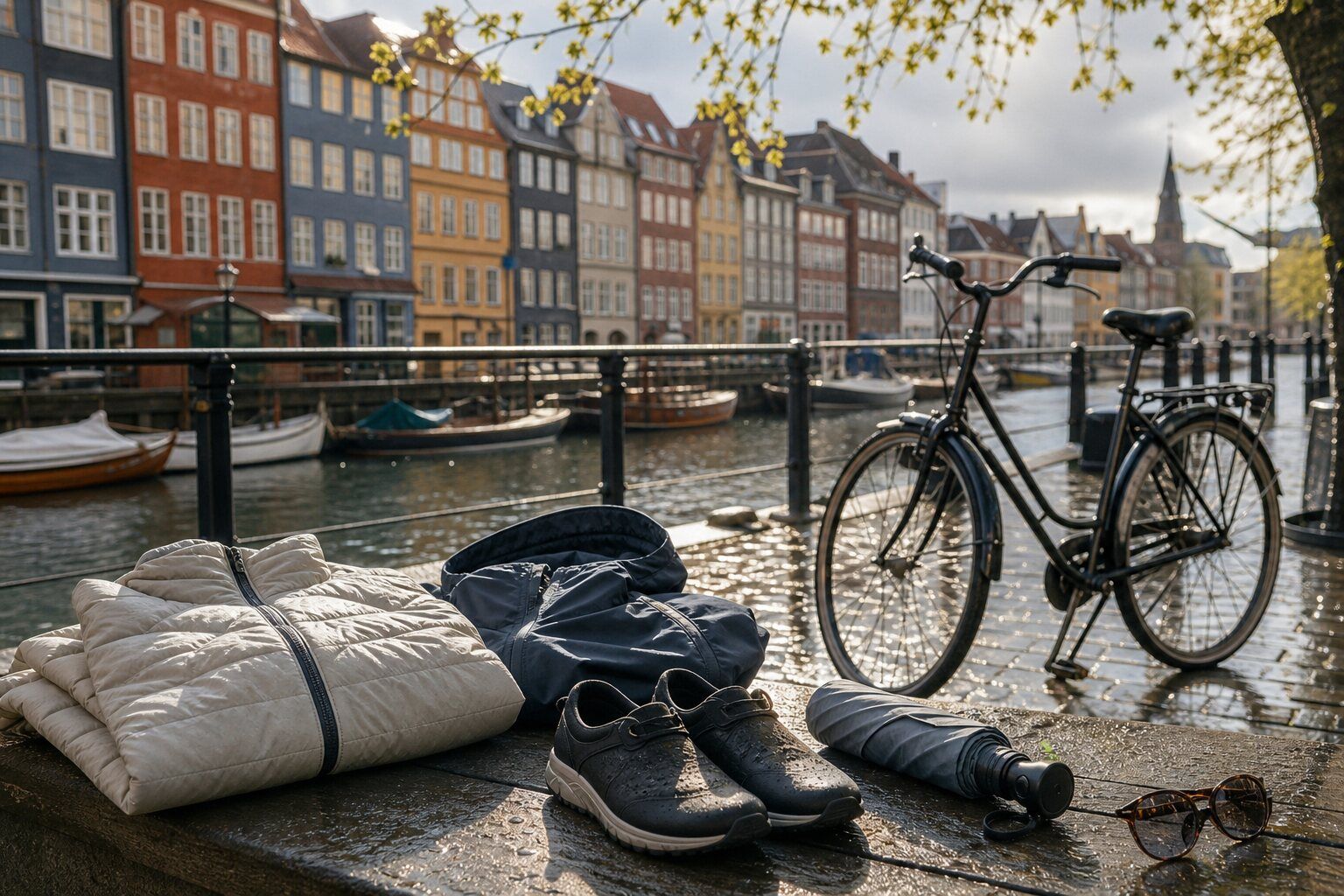
- Light insulated jacket or warm mid-layer
- Windproof outer layer for cycling and canal areas
- Comfortable waterproof shoes
- Compact umbrella or packable rain shell
- Sunglasses for bright late-spring afternoons
Why Is Summer the Most Popular Season in Copenhagen?
Summer is Copenhagen’s peak season because it offers the warmest weather, long evenings, open-air events, harbor swimming, and the easiest conditions for first-time sightseeing. July is the most popular month, but it also brings the highest crowd levels and some of the year’s strongest hotel demand.
June to Augustis the classic Copenhagen travel season. Temperature: 16°C–23°C (61°F–73°F), with occasional warmer days. Daylight: about 16 to 17.5 hours near midsummer, gradually shortening through August. Crowds: high, especially in July and early August. Prices: highest of the year for hotels in popular central areas.
Summer earns its reputation because Copenhagen feels built for this weather. You can swim in harbor baths, rent bikes without worrying much about cold, take late dinners outdoors, and spend entire days moving between neighborhoods without needing indoor backup every hour. Tivoli Gardens, Nyhavn, Christianshavn, Reffen, and the waterfront all feel more animated.
The main drawback is demand. July is lively and convenient, but it can feel crowded around Nyhavn, the Little Mermaid, canal tour docks, and central food halls. If you want summer weather with slightly softer crowd pressure, June is often a better fit than July. Late August can also work well, especially if you prefer warm-ish days with fewer families on school-holiday schedules.
Summer also brings named events that can shape hotel prices. Copenhagen Jazz Festival typically takes place in July, and the event’s official site,Copenhagen Jazz Festival, is the right source for current programming and dates. If you are visiting during major festivals, book central accommodation at least six to eight weeks ahead.
What should you pack for Copenhagen in summer?
- Light jacket for evenings near the harbor
- Breathable layers rather than only warm-weather clothing
- Swimwear if harbor bathing is on your list
- Comfortable shoes for cobblestones and cycling stops
- Reusable water bottle and sun protection
How Does Autumn Change the Copenhagen Experience?
Autumn makes Copenhagen cooler, calmer, and more atmospheric, with September offering the best mix of usable weather and lower crowds. October and November become darker and wetter, but they suit food, design, museums, bakeries, and neighborhood-focused travel.
September to Novembershifts Copenhagen from outdoor-first summer into a moodier city of cafés, design shops, galleries, and candlelit restaurants. Temperature: 6°C–18°C (43°F–64°F), depending on month. Daylight: about 13 hours in early September, dropping to under 8 hours by late November. Crowds: moderate in September, low by November. Prices: lower than summer except during major conferences or holiday periods.
September is the best autumn month for most visitors. You still have enough daylight for canals, bikes, and waterfront walks, while the city feels less crowded than July. Restaurants are easier to reserve, hotel rates may soften, and the light is excellent for photography around the harbor and historic center.
October is a transitional month. It can be beautiful when dry, especially in parks such as Kongens Have and Frederiksberg Gardens, but you need to plan for wind and rain. November is not the best month for classic sightseeing weather; its appeal is price, atmosphere, and indoor culture. If you like design stores, bakeries, food halls, and museums, the shorter days may not bother you as much.
Autumn is also a practical season for day trips. Louisiana Museum of Modern Art, Helsingør, and Frederiksborg Castle are all easier to enjoy when the peak summer visitor flow has thinned. Build your itinerary with one indoor anchor each day, then use dry spells for walking and cycling.
What should you pack for Copenhagen in autumn?
- Water-resistant coat with room for layers
- Scarf, light gloves, and warm socks from October onward
- Waterproof walking shoes
- Small daypack for shedding layers indoors
- Portable charger for heavy map and camera use
Is Winter a Good Time to Visit Copenhagen?
Winter is a good time to visit Copenhagen if you want lower prices, fewer crowds, Christmas atmosphere in December, and indoor culture. It is not ideal for long outdoor sightseeing because daylight is limited, temperatures are cold, and wind can make the city feel colder than the forecast.
December to Februaryis Copenhagen’s coldest and darkest travel period. Temperature: 0°C–6°C (32°F–43°F), with colder windchill near the water. Daylight: about 7 to 8 hours in midwinter. Crowds: moderate in December, low in January and February. Prices: December can rise around festive dates, while January and February often bring better hotel value.
December has the strongest winter appeal. Christmas lights, markets, decorated streets, seasonal food, and Tivoli Gardens make the city feel festive even with short days. You should expect cold weather and limited daylight, but the atmosphere can compensate if your goal is a cozy winter city break rather than maximum sightseeing hours.
January and February are quieter and more budget-friendly. They suit travelers who are happy to focus on museums, design, restaurants, bakeries, saunas, and short walks. The main risk is weather fatigue: if you plan too many outdoor stops in one day, cold wind and early darkness can make the trip feel harder than expected.
Winter also requires more preparation around opening hours. Some attractions reduce schedules, and outdoor food areas may operate differently from summer. Before traveling, check official opening times and review current entry and safety guidance. The UK government publishes country-specific updates through itsforeign travel advice for Denmark, which is useful for practical pre-trip checks.
What should you pack for Copenhagen in winter?
- Warm waterproof coat
- Thermal base layer for long walks
- Hat, gloves, scarf, and warm socks
- Waterproof shoes with grip
- Compact day bag for indoor layers
When Should You Avoid Copenhagen for Weather?
Avoid late January to early March if your main goal is pleasant outdoor weather, long sightseeing days, or cycling comfort. This period usually has cold temperatures, short daylight, grey skies, and wind that can make harbor areas feel much colder.
Late January to early Marchis the weakest period for weather-led Copenhagen travel. Temperature: often 0°C–6°C (32°F–43°F). Daylight: improving slowly but still limited. Crowds: low. Prices: usually favorable, but the saving comes with real weather constraints.
This is not a “never go” warning. It is a clear fit issue. If you are visiting for restaurants, museums, architecture, and quiet streets, late winter can work. If your ideal Copenhagen trip includes long bike rides, canal tours, waterfront dinners, and relaxed outdoor wandering, you will likely enjoy May, June, or September much more.
Early March can be especially deceptive because spring appears close on the calendar. In practice, the city may still feel raw, windy, and grey. Outdoor attractions are less rewarding, and your photos may have a flat winter look unless you get a bright day. For families with children, the combination of cold hands, short daylight, and frequent indoor breaks can make schedules feel compressed.
Another period to approach carefully is peak July if you dislike crowds. The weather is at its easiest, but central areas can feel busy, prices are high, and last-minute hotel choices may be limited. July is not bad; it is simply less relaxed than late May, June, or early September.
Which Copenhagen Season Fits Your Travel Style?
The best Copenhagen season depends on whether you value warmth, price, atmosphere, family ease, or crowd control. First-timers should usually choose late May to mid-June or early September, while budget travelers should consider January to March with realistic expectations.
For first-time visitors:choose late May, June, or early September. These months give you the best chance of enjoying Copenhagen’s essential experiences: cycling, canals, Nyhavn, Tivoli Gardens, food halls, royal sights, and harbor walks without needing a heavy winter plan.
For families:choose June or August. School schedules may point you toward July, and July works well for activities, but June and late August are often easier if you can travel then. You get mild weather, long days, and fewer pinch points around popular sights.
For budget travelers:choose January, February, early March, or November. You trade daylight and outdoor comfort for lower demand. Build the trip around indoor value: the National Museum of Denmark, SMK, Designmuseum Denmark, bakeries, food markets, and neighborhood walks during the brightest part of the day.
For food-focused travelers:choose September or October. You get cooler weather that suits long meals, bakery stops, coffee breaks, and reservations without the heaviest summer pressure. September still gives you enough daylight to explore between meals.
For romantic city breaks:choose December or May. December offers lights, markets, and a cozy atmosphere. May offers flowers, long evenings, and better walking conditions. The right choice depends on whether you prefer festive mood or outdoor ease.
For cyclists:choose late May through September. Copenhagen is bike-friendly year-round, but visitors usually enjoy cycling most when wind, rain, and cold are less disruptive. If you are new to urban cycling, avoid icy or dark winter periods.
What Should You Pack and Book Before You Go?
Pack for wind, layered temperatures, and sudden rain in every Copenhagen season, then book weather-sensitive activities with flexible timing. Reserve summer hotels early, keep one indoor backup per day, and prepare mobile access for maps, transit, restaurant bookings, and attraction updates.
Copenhagen packing starts with one rule: dress for the wind, not only the temperature. A 16°C (61°F) day can feel comfortable in a sheltered street and chilly on a harbor bridge. A light rain shell, comfortable waterproof shoes, and layers will serve you in almost every month outside deep winter.
For summer, book central hotels six to eight weeks ahead if you care about location. For late May, June, and September, four to six weeks is often more comfortable than waiting until the final days. For winter, you may find better last-minute value, but December weekends still deserve advance planning because festive travel raises demand.
Weather-sensitive activities need a flexible order. Canal tours, harbor swimming, rooftop bars, and long cycling routes are best placed on your clearest days. Museums, castles, design shops, bakeries, and covered food halls work well as backup plans when rain or wind arrives. If you are building a short trip, keep your first full day flexible rather than locking every outdoor activity into a fixed slot.
Mobile access is practical in Copenhagen because you will use maps, transit apps, restaurant bookings, weather radar, translation, and attraction updates throughout the day. If you have not used aneSIMbefore, read a plain guide to what an eSIM card is before departure so you know how it differs from a physical SIM. You can also check whether your phone supports the technology with theeSIM-compatible device list.
Yoho Mobile is a global eSIM provider covering 200+ countries, and it suits Copenhagen trips because you can choose the destination, mobile data amount, and usage duration separately instead of being pushed into a fixed plan. For a long weekend, 3 GB to 5 GB is usually enough for maps, messaging, bookings, and light browsing; for a week with frequent photo sharing or hotspot use, consider 10 GB or more. You canbrowse Yoho Mobile eSIM plans, then manage your eSIM plan through theYoho Mobile app on iOSorYoho Mobile app on Android.
If you are trying this setup for the first time, thefree eSIM trialcan help you test the basics before your trip, whileYoho Careoffers an emergency data service for moments when staying reachable matters.
Travel tech is still device-dependent. Some older phones do not support eSIMs, and locked phones may not accept a new eSIM profile. If you are unsure, check compatibility before buying anything and keep your primary number active for banking codes or important calls. For calling options, this guide tousing an eSIM to make calls abroadexplains what works through apps, voice services, and your regular number.
Frequently Asked Questions
What is the warmest month in Copenhagen?
July is usually the warmest month in Copenhagen, with typical daytime temperatures around 17°C to 22°C (63°F to 72°F). It is also one of the busiest months, so book accommodation and popular restaurants early if you want central choices.
Is Copenhagen rainy in summer?
Yes, summer can bring rain, especially from July into August. The good news is that showers are often manageable with a light waterproof layer. Do not pack only beach-style clothing; Copenhagen summer still rewards layers.
Can you visit Copenhagen in winter?
Yes, winter can be enjoyable if your plan centers on museums, food, design, and festive atmosphere. December is best for lights and markets, while January and February are better for quiet streets and lower prices.
How many days do you need in Copenhagen?
Three days is a good first visit. You can cover Nyhavn, Tivoli Gardens, Rosenborg Castle, Christianshavn, a canal tour, food halls, and one or two museums. Add a fourth or fifth day for Louisiana Museum of Modern Art or castle day trips.
Which season has the best hotel prices in Copenhagen?
January to March usually offers the best hotel value, excluding special events or conferences. November can also be affordable before December festive demand begins. The lowest prices come with short daylight and colder weather.
Is Copenhagen better in May or September?
May is better for spring greenery and very long evenings, while September is better for calmer post-summer travel and food-focused trips. For most first-time visitors, both months are excellent; choose May for brightness and September for atmosphere.